Rooted in the coast. Led by our own communities.
Hope Trans Initiative is a nonprofit advocacy organization founded on February 3, 2022 in Mombasa County, working alongside intersex, trans, and gender nonconforming (ITGNC) people across the Kenyan coast.
Our Story
Hope Trans Initiative began as a small support group started by trans people who saw a gap around them. In the rural and peri urban areas of Mombasa County, there was no inclusive organization offering a safe place to gather, affirming services, or a strong voice against the injustices ITGNC people face every day.
We decided to build that space ourselves. What started as a circle of friends offering each other support has grown into a registered organization that provides care, speaks up for rights, and helps our communities stand together with dignity.
Why Our Work Matters
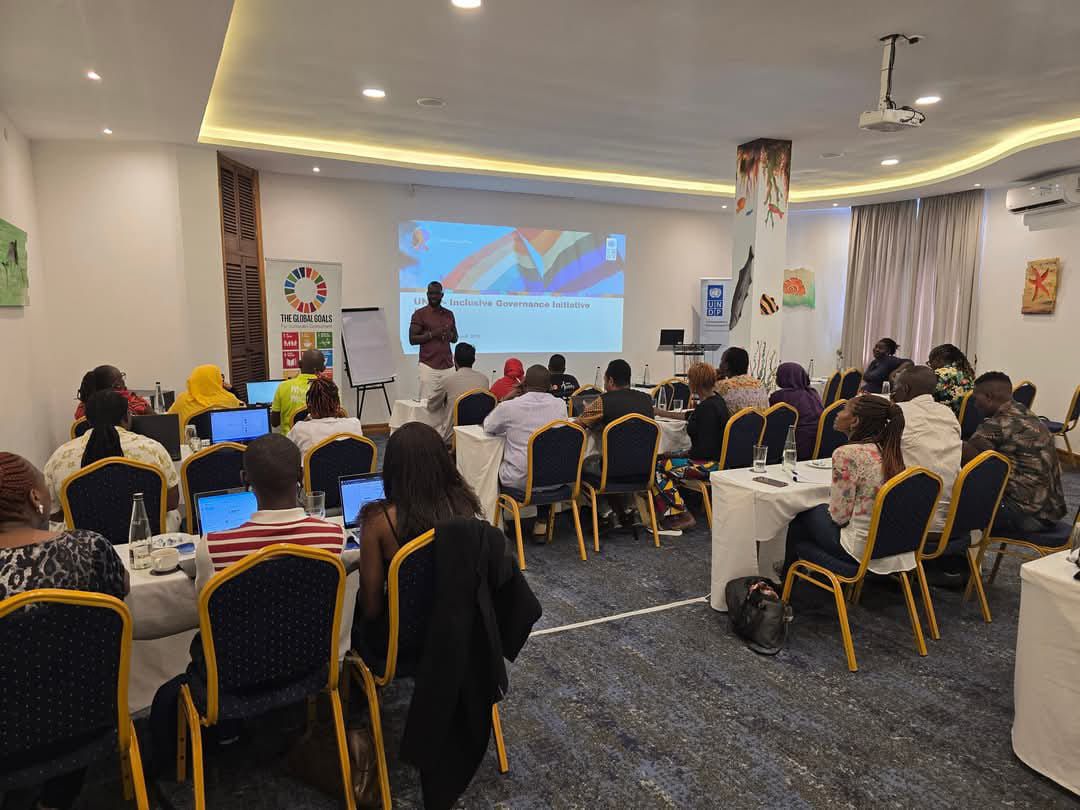
Across the coast, many ITGNC people are treated as outsiders in their own communities. Stigma and social exclusion can lead to isolation, anxiety, and depression, and keep people from taking part in community life with confidence.
Barriers in healthcare
Many people meet misgendering, broken confidentiality, and intrusive questions at health facilities. Gender affirming care is hard to find, and HIV and reproductive health programs rarely consider ITGNC needs.
Risks to safety
Community members report arbitrary arrests, humiliating body searches, and false accusations of impersonation simply because their bodies or expression do not fit what society expects.
Vision and Mission
Our Vision
A strong and vibrant society that values equality, diversity, and inclusion for everyone, whatever their sexual orientation or gender identity.
Our Mission
To build a real sense of belonging and reduce inequality through safe spaces, gender affirming support, training, advocacy, awareness raising, psychosocial care, and partnerships with stakeholders, so that our society grows in fairness and inclusion.
What We Aim to Achieve
Care and support
Offer reliable, caring support to ITGNC people along the coast, including safe spaces, psychosocial support, and friendly counseling.
Rights and attitudes
Defend the human rights of ITGNC people and help change attitudes, so that stigma, discrimination, and violence no longer stand in the way of a dignified life.
A resilient movement
Strengthen a self reliant movement led by ITGNC people that opens the door to gender affirming healthcare.
Reaching overlooked areas
Fill the gap left by organizations that do not reach rural and peri urban parts of the coast, and support people who live with exclusion and rights violations.
A platform for our voices
Give ITGNC people a place to use their numbers, energy, and imagination to shape a society that is a source of hope for everyone.
Our Programs
Advocacy
Campaigns and policy engagement that push for respect, protection, and full rights for every person, while protecting confidentiality and challenging unfair systems.
Psychosocial Support
Counseling, mentorship, and peer support groups shaped around ITGNC needs, with links to psychiatric care and rehabilitation where needed.
Awareness and Sensitization
Sharing knowledge with service providers, professionals, families, and the public so that ITGNC people are better understood.
Safety and Security
Community led safety efforts that reduce violence along the coast and build protections that support inclusion and equal opportunity.
Organizational Strengthening
Building a strong, resilient, and efficient organization that can deliver on its mandate for years to come.
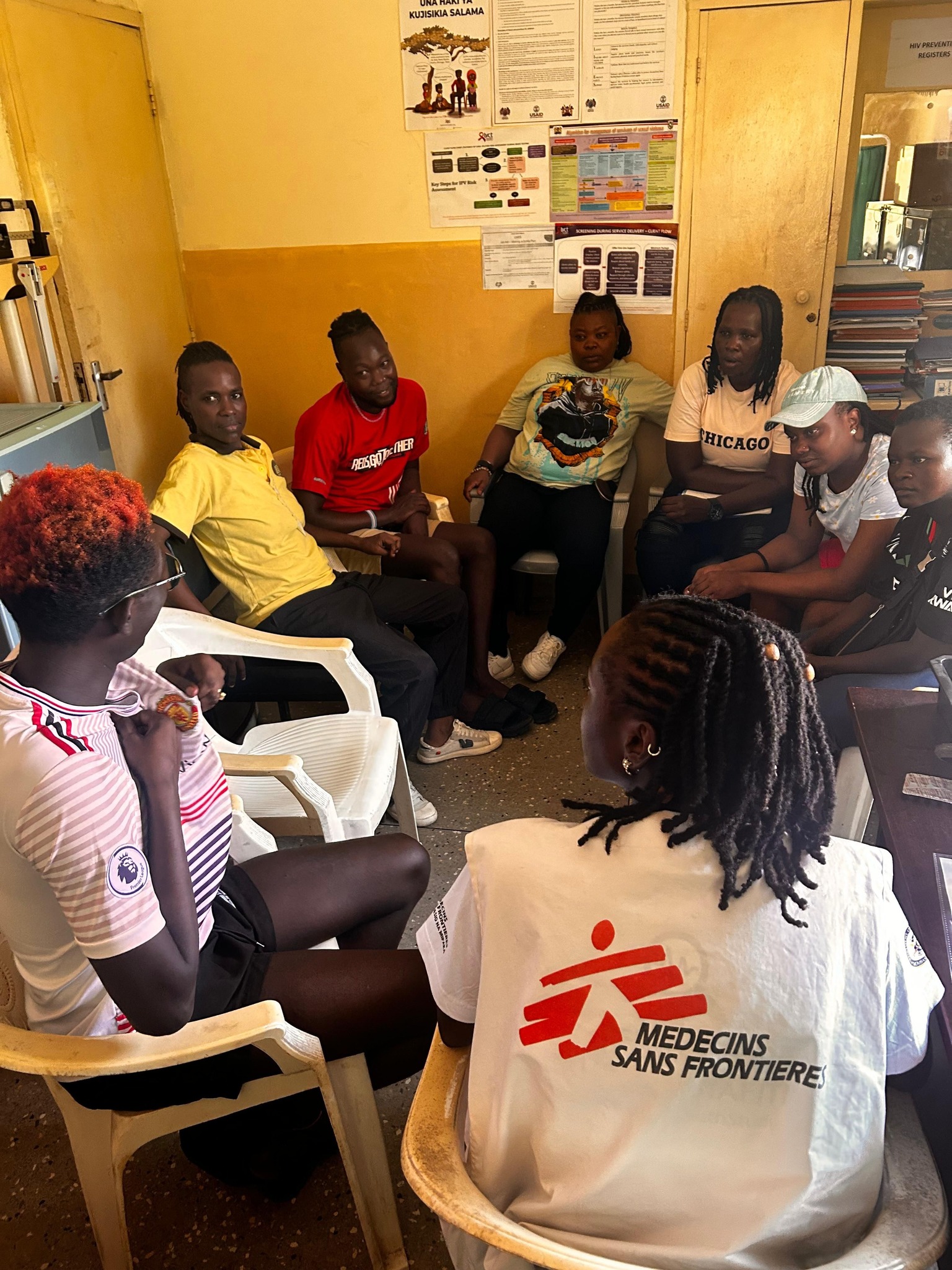
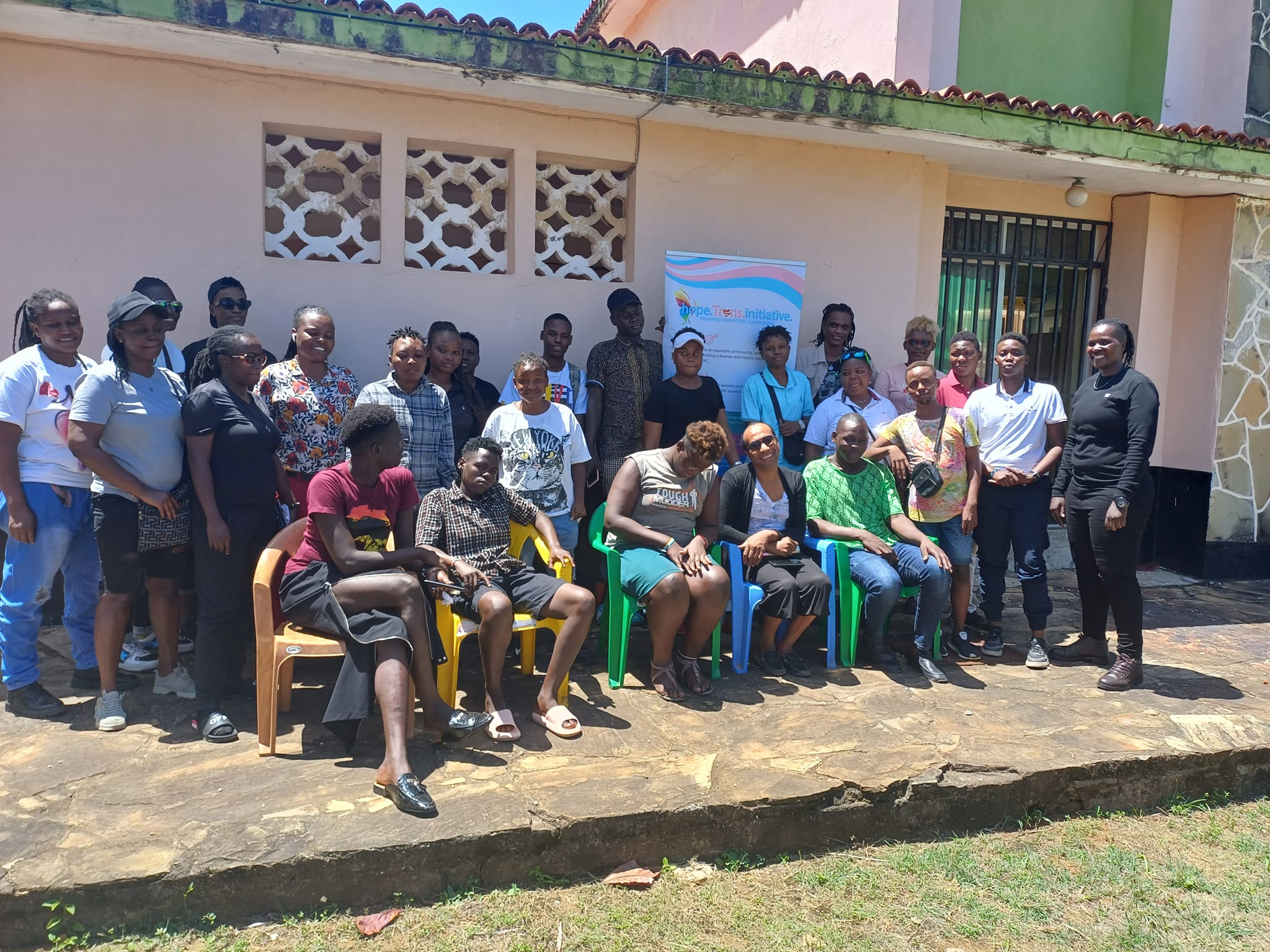
Our Work in Action
Our Story in the Archive
Our founding is documented in the Trans & Intersex History Africa digital archive. The summary on this page draws on that record and on our own materials. Credit and thanks to the archive and to its author, Gabriel de Larch, for preserving our history.
READ THE ARCHIVE ENTRY →Stand with us
Whether you want to partner, volunteer, or simply learn more, we would love to hear from you.
GET IN TOUCH →